
24 Sept 2026
Automation is often presented as a way to make industrial operations faster and more productive. But there is another reason to automate that matters just as much: people should not always have to be where the risk is highest.
Mines, ports, construction sites, roads, warehouses and other industrial environments can involve heavy machinery, moving vehicles, limited visibility, unstable terrain, traffic and complex operating conditions. Autonomous and remotely operated machines can take on some of these tasks, reducing the need for people to remain directly in hazardous operating areas.
But for automation to be useful, machines need to know where they are, where they are going and how they are moving. This is where precise navigation becomes fundamental, and it is why automation safety begins with the positioning layer rather than with the machine.
An autonomous machine cannot make safe navigation decisions without reliable positioning. It needs to understand its location, heading, velocity and movement relative to its environment.
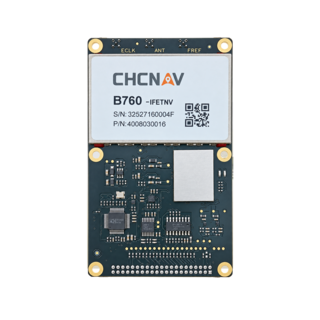
GNSS provides positioning information, while inertial sensors measure movement and orientation. By combining these sources, hybrid GNSS+INS systems can maintain navigation information even when satellite signals become temporarily weak or unavailable. CHC Navigation's GNSS+INS technology uses this combination to support autonomous vehicles, robotics, industrial automation, port operations, mining and other demanding applications.
The objective is simple: give the machine a reliable sense of where it is, so the automation system can make better decisions.
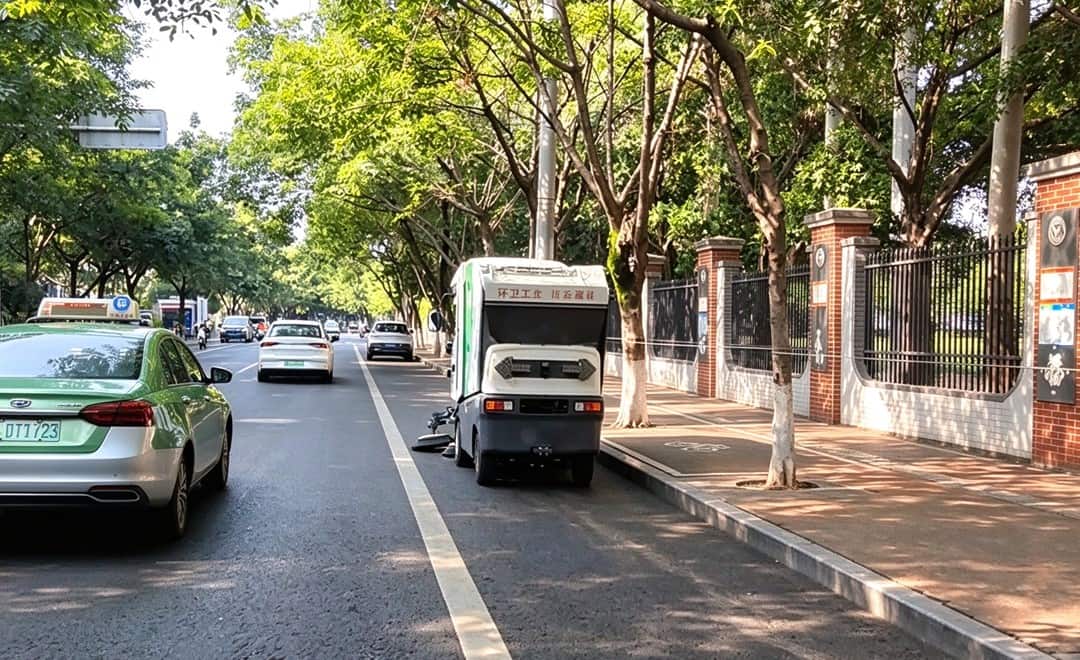
Road vehicles, mobile robots, industrial vehicles and other autonomous platforms increasingly operate in environments where people and machines may share space. A human operator can constantly interpret the environment and correct the vehicle's path. An autonomous system must obtain that information through sensors and positioning technologies, and precise GNSS+INS navigation helps provide the positioning foundation its autonomy stack requires.
The CHCNAV CGI-230, for example, combines GNSS, INS and dead-reckoning technologies to provide continuous vehicle localization for autonomous, assisted and robotic mobility applications. Our earlier article on GNSS and autonomous driving looks at how that positioning behaves under pressure.
The safety benefit is not simply that the vehicle can drive itself. It is that automation can potentially move people away from repetitive or hazardous driving tasks, while giving the autonomous system the positioning information it needs to follow its intended path.
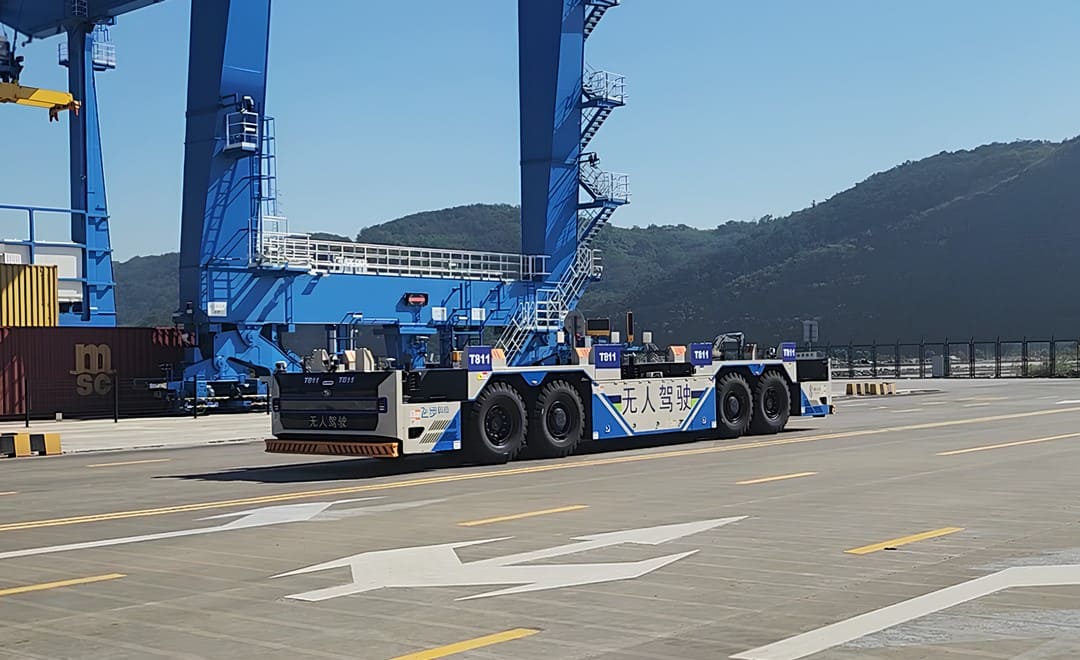
Ports are among the most complex environments for automation. Containers, cranes, trucks, terminal vehicles, vessels, workers and infrastructure all operate within a relatively concentrated area. Automated guided vehicles and autonomous terminal tractors can move containers without requiring a driver to remain inside every vehicle.
But port automation demands highly reliable navigation. Metal structures, stacked containers, cranes and other infrastructure can obstruct or degrade GNSS signals. The CHCNAV CGI-610 combines dual-antenna GNSS with a tightly coupled inertial navigation system to provide position, attitude and velocity information at high frequency, which allows system integrators to build autonomous vehicles that can maintain their navigation solution in challenging port environments. Our article on autonomous vehicles in port operations covers that deployment in more detail.
The bigger objective is not simply moving containers faster. It is creating an operating environment where fewer people need to be physically exposed to moving vehicles and equipment.
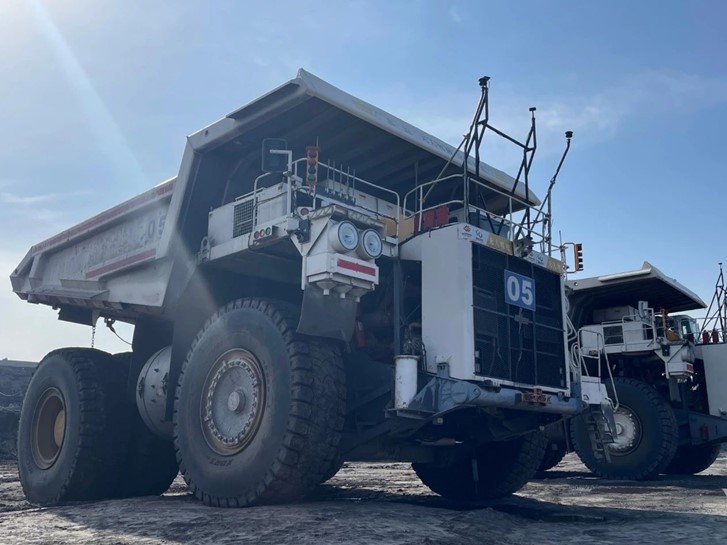
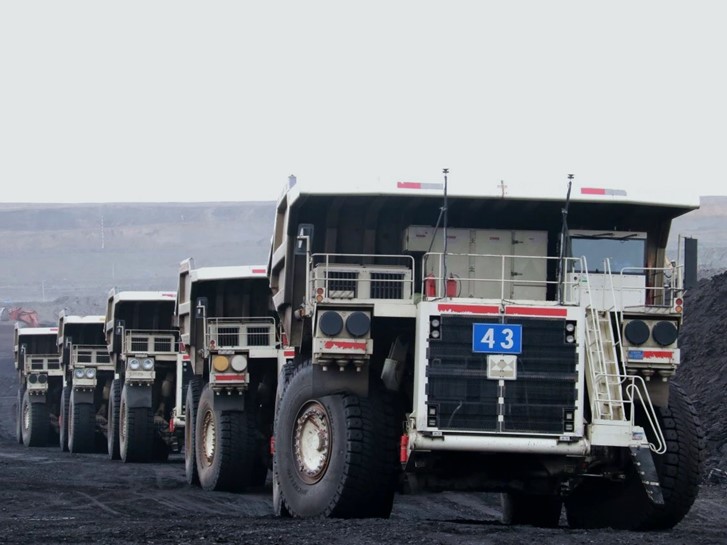
Mining provides one of the clearest examples of why automation can be a safety technology. Open-pit mines can involve enormous haul trucks, loaders, uneven terrain, dust, changing road conditions, steep slopes and complex traffic patterns. Keeping operators inside every vehicle places people directly in the operating environment, and autonomous haulage and loading systems can change that equation.
CHC Navigation's GNSS+INS technologies provide positioning and navigation information for autonomous mining applications. The CGI-610, for example, has been deployed in autonomous mining vehicles and is designed to provide reliable position, attitude and velocity information in demanding environments. Mining loader automation is a further application for the same hybrid GNSS+INS technology, helping loaders maintain work paths while reducing human intervention in hazardous conditions. Our article on precision navigation for autonomous mining sets out how those systems are configured.
Here, automation can create a fundamental change. Instead of asking how to make people safer inside a hazardous environment, the question becomes how much of the hazardous task can be performed without putting people there in the first place.
Construction sites change constantly. Excavators, dozers, graders, trucks and other machines may operate simultaneously, often around workers and other equipment. Automation and machine guidance can reduce the amount of manual interaction required for certain tasks, and precise positioning helps machines understand their location relative to planned paths, work areas or digital models.
The CGI-610 supports applications including 3D machine control, autonomous vehicle guidance, industrial automation and robotics. The safety opportunity is particularly relevant when automation reduces the need for workers to perform repetitive tasks close to heavy equipment. Our companion article on machine control for every contractor looks at the same shift from the earthmoving side.
Automation alone does not automatically make an operation safe. A machine needs reliable information, and it needs to answer a short list of questions continuously.
This is why positioning is a foundational technology for autonomous systems. GNSS provides absolute positioning and INS provides motion and orientation information. When the two are tightly integrated, the system can maintain a more continuous navigation solution in environments where GNSS conditions are not always ideal, which is particularly useful in urban canyons, tunnels and other GNSS-obstructed areas.
The goal of industrial automation should not be to eliminate people from the process. It should be to move people toward tasks where human judgment is most valuable, and away from unnecessary exposure to physical hazards.
An autonomous port vehicle still needs supervision. An autonomous mining machine still needs an operating strategy. A robot still needs an engineer to design and maintain the system. A navigation sensor still needs to be integrated into a broader autonomy architecture. Automation changes where people work and what they need to do, and that can be one of its greatest safety benefits.
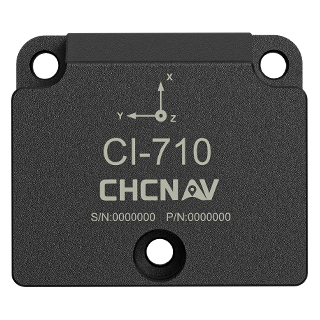
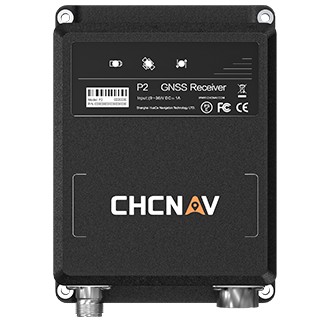
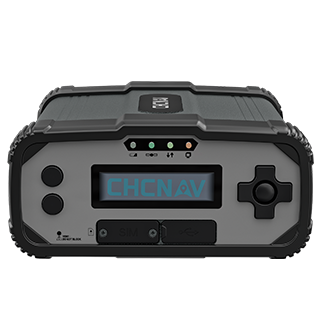
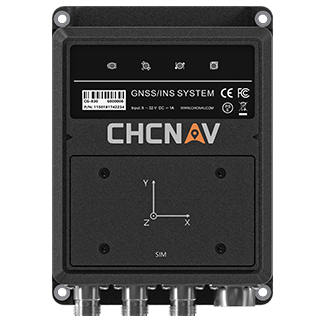
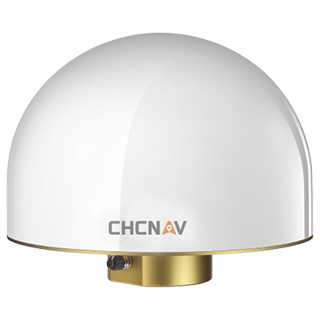
CHC Navigation provides GNSS sensors, GNSS+INS systems, IMU sensors and GNSS antennas for system integrators developing autonomous and robotic applications. The current portfolio includes the CGI-610, the CGI-230, the CGI-830 and the CI-710, among other positioning components, and the full range sits on our navigation and positioning solutions page.
Different applications require different navigation architectures. A lightweight autonomous robot may have very different requirements from a 100-ton mining vehicle, and a port tractor may face different positioning challenges from a construction machine. But the underlying requirement is similar: the autonomous system needs dependable information about where it is and how it is moving. Our role is to provide that positioning and navigation foundation so system integrators can build the complete autonomous solution around it.
The most valuable benefit of automation may not be measured in operating hours or throughput. It may be measured in exposure avoided: every mining operator who does not need to sit inside an autonomous vehicle, every port worker who does not need to stand beside moving equipment, every construction worker who can perform a task without entering the operating area of heavy machinery, and every repetitive or hazardous vehicle operation that can be performed remotely or autonomously.
These are examples of how automation can change the relationship between people and industrial risk.
Automation cannot solve every safety problem. Machines still need appropriate sensors, perception systems, control software, communication networks, operational procedures, human oversight and rigorous safety engineering. But precise navigation is one of the foundations on which reliable autonomy is built.
By combining GNSS and inertial sensing, CHC Navigation provides positioning and navigation technologies for autonomous vehicles, robotics, port operations, mining, construction and other industrial applications. The vision is not simply a world where machines do more work. It is a world where machines can take on more of the work that puts people at risk.
When machines can navigate precisely, people can move further away from the danger zone. And that may be one of the most important reasons to automate.
CHC Navigation (CHCNAV) develops advanced mapping, navigation, and positioning solutions designed to increase productivity and efficiency. Serving industries such as geospatial, agriculture, machine control and autonomy, CHCNAV delivers innovative technologies that empower professionals and drive industry advancement. With a global presence spanning over 140 countries and a team of more than 2,200 professionals, CHC Navigation is recognized as a leader in the geospatial industry and beyond. For more information about CHC Navigation [300627.SZ], please visit: https://navigation.chcnav.com/about/overview
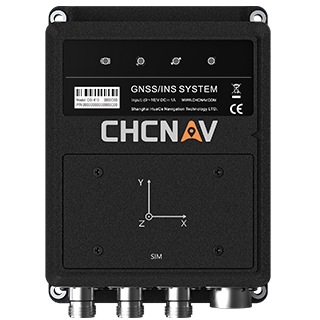
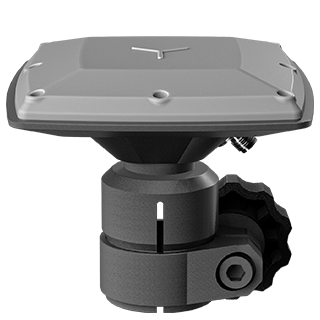
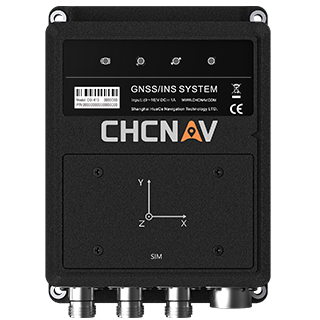
CHCNAV CGI-610
Tightly Coupled High Performance GNSS/INS System
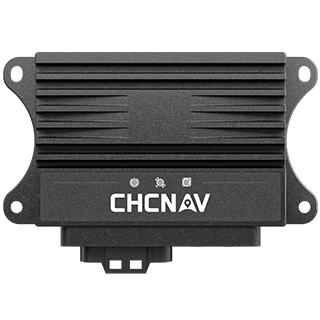
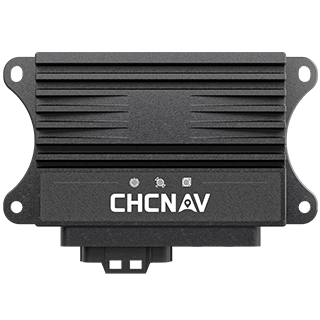
CHCNAV CGI-230
Tightly Coupled Automotive Grade GNSS/INS System
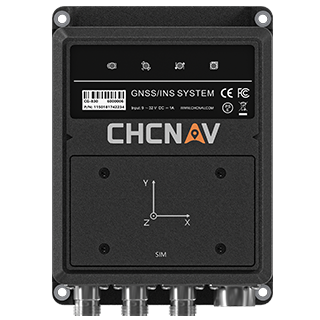
CHCNAV CGI-830
High Performance Ground Truth GNSS+INS System
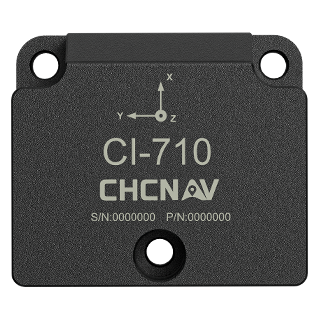
CHCNAV CI-710
High-Precision MEMS Inertial Measurement Unit



.png)
.png)
.png)